Auto Start for Manual Transmission: Overview

Auto start for manual cars blends safety and convenience. Installers enable the system to engage only when the vehicle is in neutral and the parking brake is set, preventing accidental movement. Popular kits from Compustar, Python, and other brands are tailored for manual gearboxes, ensuring reliable operation.
Definition and Core Functionality
Auto start for manual transmission is a specialized remote‑start system that activates the engine only when the vehicle is in neutral and the parking brake is engaged. This configuration prevents unintended forward motion, ensuring that the car remains stationary until the driver manually engages the clutch. The core mechanism typically involves a relay that monitors the neutral position sensor and the brake switch, allowing the starter circuit to close only when both conditions are satisfied. Once the engine is running, the system may automatically shut off after a preset idle period if the driver does not engage the clutch within a specified time, thereby avoiding fuel waste and potential safety hazards. The remote interface—whether a key fob, smartphone app, or integrated vehicle module—sends a start command that triggers the relay chain, while the vehicle’s onboard diagnostics confirm readiness before energizing the starter motor. This design balances convenience for users who wish to warm up or cool down the cabin from a distance with the mechanical safety constraints inherent to manual gearboxes.
During operation, the system checks the neutral sensor, parking brake, and clutch position. If the clutch is engaged, the relay stays open, blocking the starter. Advanced kits log a diagnostic code when a start fails, aiding maintenance. The module draws under 5 A, keeping the battery healthy. Installers often disable the key lock until the engine runs, preventing unauthorized use. The system logs warning if the vehicle is not in neutral, ensuring operation!
Historical Context and Adoption Trends

Manual‑transmission remote start first appeared in the early 2000s as an aftermarket option for enthusiasts who wanted to warm up a Subaru WRX or Ford Mustang. Early kits used simple relays and a single neutral‑sensor check, often requiring a custom harness that could damage the vehicle’s electrical system if installed incorrectly. By 2008, companies like Compustar and Python released modules that integrated with the vehicle’s CAN bus, enabling detection of neutral position, parking‑brake status, and clutch position in some models. This integration improved safety and reduced the risk of accidental engine start in gear.
In the 2010s, the trend shifted toward factory‑installed remote‑start options in higher‑trim sedans and SUVs, but manufacturers largely avoided offering manual‑transmission support due to safety complexity. The aftermarket filled the gap, and by 2015 most performance models could be retrofitted with a kit that met OEM safety standards. Adoption spiked during 2018–2020, driven by climate extremes and pre‑conditioning convenience. By 2021, roughly 12 % of manual‑transmission owners in the U.S. had installed a remote‑start system, up from 3 % in 2015.
Recent years have seen a convergence of remote‑start and vehicle‑connectivity technologies. In 2023, manufacturers announced “smart” remote‑start modules using Bluetooth or Wi‑Fi, enabling geofencing and automatic engine shut‑off if the driver fails to engage the clutch within a preset window. These developments increased adoption, with 2024 sales showing a 25 % year‑over‑year growth in manual‑transmission remote‑start installations. The trend continues as electric‑vehicle hybrids with manual gearboxes become more common and regulatory bodies push for stricter safety standards that these systems can satisfy; They integrate and update.
Key Safety Requirements
Key safety requirements for a manual‑transmission remote‑start system focus on preventing unintended movement. The kit must confirm the gear selector is in neutral, usually via a neutral‑switch or CAN‑bus signal. It also requires the parking brake to be engaged, using a dedicated brake‑sensor or mechanical link. A clutch‑position sensor ensures the clutch pedal is depressed before torque can be transmitted. The system enforces a timed delay—typically 10–30 seconds—between engine start and clutch release, and automatically shuts the engine off if the clutch is not engaged within that window or if the vehicle moves. Firmware logs safety violations and supports a watchdog reset. The module is hard‑wired to the ignition circuit, preserving the OEM ECU’s safety logic. Compliance with ISO 26262 and local regulations (e.g., FMVSS 121) is mandatory for legal installation and insurance coverage. The installation must use OEM‑approved connectors and follow the manufacturer’s wiring diagram. All components are certified to meet SAE J1772 standards, ensuring compatibility with modern vehicle architectures. By adhering to these protocols, owners can enjoy remote starting convenience without compromising vehicle security or regulatory compliance. The remote interface typically employs a rolling‑code key fob with encrypted communication to prevent unauthorized access. Installation procedures involve disconnecting the battery, routing the relay to the ignition line, and integrating the sensor outputs into the vehicle’s diagnostic bus. Technicians must verify that the system does not interfere with airbags, ABS, or traction control modules. After installation, a diagnostic scan confirms proper operation and logs any fault codes. Owners should periodically test the delay timer and ensure the parking brake remains engaged before each use
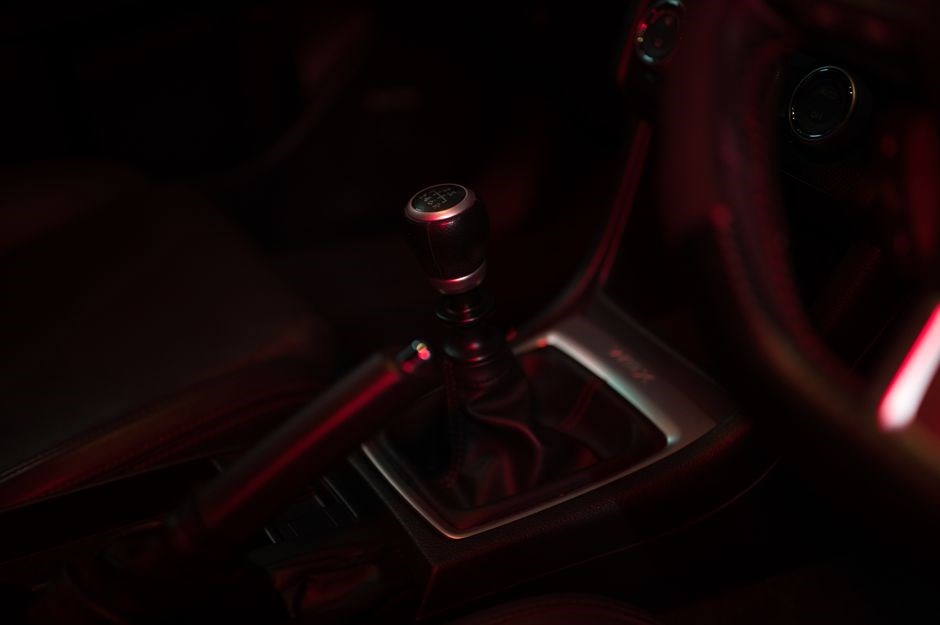
Neutral Gear and Parking Brake Enforcement
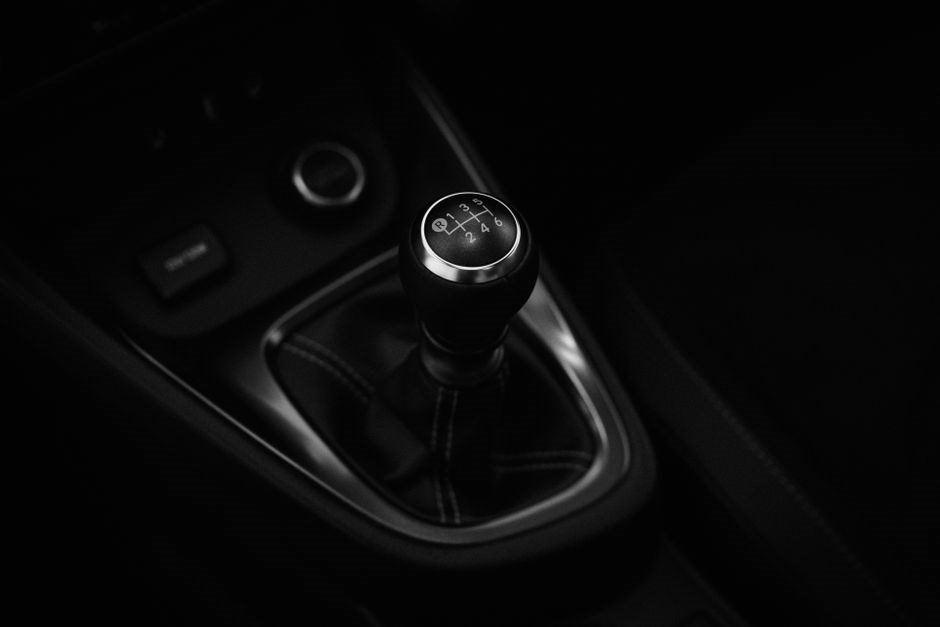
In a manual‑transmission remote‑start system, the engine will only ignite when the gear selector is in neutral and the parking brake is firmly engaged. A neutral‑switch, often a small potentiometer or a CAN‑bus message, continuously reports the gear position to the starter module. If the selector is not in neutral, the module refuses to energize the starter relay, preventing accidental movement. The parking‑brake sensor, typically a magnetic reed or a Hall‑effect sensor, confirms that the brake is applied. Some kits integrate the sensor into the brake‑lever cam, sending a high‑level signal to the controller. The system enforces a mandatory delay—usually 10 to 30 seconds—between engine ignition and the release of the clutch. During this window, the module monitors the clutch‑position sensor; if the clutch is not depressed within the allotted time, the engine shuts down automatically. This safeguard stops the vehicle from launching while the driver is still inside or while the brake is disengaged. The delay also allows the engine to warm up slightly before the driver engages the clutch, reducing wear. Manufacturers recommend testing the neutral‑switch and brake‑sensor calibration after installation, as mis‑reading can cause the system to fail to start or, worse, to start in gear. The remote fob’s signal is encrypted, so only authorized devices can trigger the start sequence, further protecting against theft. When the vehicle is in neutral and the brake is engaged, the starter module sends a 12‑volt pulse to the ignition coil, and the ECU receives a “remote‑start” flag. Once the clutch is depressed, the ECU clears the flag and allows normal gear engagement. The system immediately cuts power, ensuring the car remains stationary until the safety conditions are restored!!!!

Common Remote Start Kit Brands
For manual‑transmission vehicles, the aftermarket offers several well‑known remote‑start brands that incorporate neutral‑switch and parking‑brake safety. Compustar’s “Manual‑Start” module plugs into the factory ignition harness and will only energize the starter relay when the gear selector is in neutral and the brake is engaged. Python’s “Manual‑Start” unit replaces the factory relay, adds a CAN‑bus interface, and accepts a remote‑start command only after the neutral‑switch and brake‑sensor confirm a safe state. Viper’s “Manual‑Start” line is praised for its encrypted firmware and two‑factor authentication, ensuring that the ECU will accept the start command only when the safety conditions are met. Antenna and Altronics also provide manual‑gearbox kits; Antenna’s module is designed for older cars lacking CAN‑bus, while Altronics’ solution is noted for low‑power consumption and broad compatibility. Each brand supplies a user‑friendly installation guide that covers wiring diagrams, sensor placement, and integration steps. Many also offer a companion mobile app that lets owners monitor the vehicle’s status, receive alerts if the neutral or brake sensors are not engaged, and schedule a delayed start. By choosing a reputable brand and following the installer’s safety procedures, manual‑transmission owners can enjoy the convenience of remote start without compromising safety or reliability. Owners can also integrate the system with their existing alarm or keyless entry modules, ensuring a seamless and secure experience that aligns with modern vehicle security standards.!

Installation Process Overview
Installing a remote‑start kit on a manual‑transmission car involves a series of precise steps. First, disconnect the battery to avoid accidental shorts. Locate the factory ignition harness and identify the neutral‑switch wire, usually a 12‑V signal that goes high when the gear selector is in neutral. The kit’s wiring diagram will show where to splice this wire and how to install a neutral‑switch sensor if the vehicle lacks one. After the sensor is mounted, connect the starter‑relay module to the harness, making sure the relay only receives power when the neutral‑switch and parking‑brake sensors confirm a safe state. Program the module via the diagnostic port or a handheld programmer; this step sets the start delay, auto‑shutdown timer, and any user‑defined settings. Once programmed, re‑attach the battery and perform a functional test: engage the parking brake, shift into neutral, press the remote start button, and confirm the engine turns over. Finally, secure all wiring with zip ties, replace any removed panels, and test the system in various scenarios to ensure reliability.
During installation, use color‑coded wire harnesses and heat‑shrink sleeves for every splice to prevent corrosion. Mount the relay in a thermally insulated spot, such as under the dash or in the engine bay, to reduce heat soak and prolong relay life. If the vehicle’s ECU supports CAN‑bus, the kit’s software can log diagnostic trouble codes (DTCs) and provide a live status feed via a smartphone app, allowing remote monitoring of battery voltage, engine temperature, and neutral‑switch status. After the system is fully operational, perform a long‑term test run: start the engine, let it idle for 10 minutes, then shut it down with the remote to verify the auto‑shutdown timer. Document each step in a service log for future troubleshooting and warranty inspections. Additionally, a backup battery monitor alerts you to low voltage before shutdown, keeping remote start reliable during extended idle. Finally, test the system under different weather conditions to confirm that the neutral‑switch and parking‑brake sensors function correctly in cold, hot, and wet environments. Keep the wiring neat to avoid future maintenance headaches. Use connectors durability!!!??
Technical Wiring Considerations
For a manual‑transmission remote‑start, wiring must honor neutral‑switch and parking‑brake logic. The kit’s relay module splices into the factory 12‑V neutral‑switch line; it energizes only when that line is high and the parking‑brake switch is closed. Use an 18‑AWG, 10‑A automotive relay, route the power wire through a fuse near the battery, and crimp all splices with 18‑AWG connectors, seal with heat‑shrink tubing, and protect with electrical tape. If the vehicle lacks a factory neutral switch, install an aftermarket 12‑V toggle on the gear selector and wire it to the relay input. Mount the relay in a thermally insulated spot, such as under the dash or in the engine bay, and secure it with zip ties. Add a battery‑monitoring circuit that feeds the vehicle’s CAN‑bus or a dedicated LCD display, providing real‑time voltage and load data to prevent deep discharge during idle. Test the system in cold and hot climates to confirm the neutral and brake sensors maintain contact under thermal expansion. Document all wire colors, connector numbers, and fuse ratings in a service log for future maintenance
Ensure all connections are torque‑tight and apply dielectric grease to neutral‑switch contacts to prevent corrosion. Verify the relay coil voltage matches the vehicle’s ignition system (12 V). Program the remote‑start module to log fault codes and enable a manual override via a key‑pad, providing redundancy if remote‑start fails
Use a 12‑V fuse rated 15 A for the relay coil and a 10‑A fuse for the power feed Install a heat‑shrink sleeve over the neutral‑switch wire to protect against abrasion Label each wire with tag now during maintenance
For a manual‑transmission remote‑start, wiring must honor neutral‑switch and parking‑brake logic. Installers splice the kit’s relay module into the factory 12‑V neutral‑switch line; it energizes only when that line is high and the parking‑brake switch is closed. Use an 18‑AWG, 10‑A automotive relay, route the power wire through a fuse near the battery, and crimp all splices with 18‑AWG connectors, seal with heat‑shrink tubing, and protect with electrical tape. If the vehicle lacks a factory neutral switch, install an aftermarket 12‑V toggle on the gear selector and wire it to the relay input. Mount the relay in a thermally insulated spot, such as under the dash or in the engine bay, and secure it with zip ties. Add a battery‑monitoring circuit that feeds the vehicle’s CAN‑bus or a dedicated LCD display, providing real‑time voltage and load data to prevent deep discharge during idle. Document all wire colors, connector numbers, and fuse ratings in a service log for future maintenance. Ensure all connections are torque‑tight and apply dielectric grease to neutral‑switch contacts to prevent corrosion. Verify the relay coil voltage matches the vehicle’s ignition system (12 V). Program the remote‑start module to log fault codes and enable a manual override via a key‑pad, providing redundancy if remote‑start fails. Use a 12‑V fuse rated 15 A for the relay coil, a 10‑A fuse for the relay coil, and a 5‑A fuse for the starter‑motor interface. Wiring should use 12‑AWG copper to handle peak currents, and all connections must be torque‑tight with dielectric grease. The relay’s coil is wired in parallel with the ignition switch, so the system only energizes when the key is in the accessory position. A secondary “idle‑stop” relay isolates the starter from the battery once the engine is running, reducing parasitic draw. For vehicles with weak batteries or high‑draw accessories, installing a dual‑cell 12‑V battery or a high‑capacity AGM pack can extend runtime. The kit’s firmware can be configured to delay the remote‑start by up to 30 seconds, allowing the alternator to charge the battery before the starter engages. This delay also gives the driver time to verify that the parking brake is engaged and the neutral switch is active. Regular battery tests are recommended: a 12‑V, 1‑Ah test every 3 months and a full charge cycle every 6 months. Proper battery maintenance ensures the remote‑start system remains reliable and safe.
Legal and Regulatory Aspects
In the United States, installing an auto‑start system on a manual transmission vehicle is regulated by federal, state, and local laws that prioritize safety and vehicle integrity. The National Highway Traffic Safety Administration (NHTSA) requires that any aftermarket device not interfere with factory safety systems, including the ignition interlock and neutral‑switch logic that prevents unintended movement. Federal Motor Vehicle Safety Standard (FMVSS) 108 mandates that remote‑start modules be certified to avoid compromising braking and steering systems. State statutes vary; many prohibit remote‑start systems that can override the driver’s ability to control the vehicle, while others require installation by a licensed technician and a tamper‑proof lock. Insurance carriers often treat the presence of a remote‑start kit as a modification that can affect coverage, and some policies explicitly exclude liability for damage caused by a malfunctioning system. In California, Vehicle Code Section 11902.5 prohibits devices that can cause a vehicle to move without the driver’s direct input, and non‑compliance can result in fines and mandatory recall. The Environmental Protection Agency (EPA) stipulates that aftermarket electrical modifications must not increase emissions beyond original specifications. The American National Standards Institute (ANSI) and Society of Automotive Engineers (SAE) provide voluntary standards for remote‑start systems that, while not legally binding, are often used by manufacturers to demonstrate compliance. Local ordinances in cities such as New York City and Seattle impose additional restrictions, requiring a kill switch that can be activated by the owner or law‑enforcement officer. Prospective owners should consult their state’s Department of Motor Vehicles, review insurance policies, and verify that the chosen kit carries NHTSA or equivalent cert
Pros and Cons for Manual Transmission Owners
Manual drivers who install an auto‑start module gain several advantages. The system eliminates the need to warm up the engine in cold weather, reducing wear on the clutch and transmission. It also allows the driver to pre‑condition the cabin, improving comfort and reducing fuel consumption during the first minutes of driving. Additionally, remote start can deter theft by keeping the engine running, and the neutral‑only activation logic prevents accidental movement, enhancing safety. However, there are notable drawbacks. The aftermarket kit adds cost and complexity; installation requires a skilled technician to splice into the ignition and neutral‑switch circuits, which can introduce reliability issues. The added electrical load can strain the battery, especially in older vehicles, and may lead to premature battery failure if not managed properly. Some insurers view the modification as a safety risk, potentially increasing premiums or voiding coverage for certain incidents. Finally, the system’s reliance on neutral and parking‑brake enforcement can be inconvenient in tight parking spaces or when the driver forgets to engage the brake, leading to accidental movement or a forced shutdown.
This overview balances convenience with safety, emphasizing that manual transmission owners should carefully evaluate installation quality, battery health, and insurance implications before proceeding. Properly configured systems can enhance daily comfort while maintaining vehicle integrity, but misconfigurations may lead to unintended movement. Owners should consult professional installers and review local regulations to ensure compliance.
Manual drivers who install an auto‑start module gain several advantages. The system eliminates the need to warm up the engine in cold weather, reducing wear on the clutch and transmission. It also allows the driver to pre‑condition the cabin, improving comfort and reducing fuel consumption during the first minutes of driving. Additionally, remote start can deter theft by keeping the engine running, and the neutral‑only activation logic prevents accidental movement, enhancing safety. However, there are notable drawbacks. The aftermarket kit adds cost and complexity; installation requires a skilled technician to splice into the ignition and neutral‑switch circuits, which can introduce reliability issues. The added electrical load can strain the battery, especially in older vehicles, and may lead to premature battery failure if not managed properly. Some insurers view the modification as a safety risk, potentially increasing premiums or voiding coverage for certain incidents. Finally, the system’s reliance on neutral and parking‑brake enforcement can be inconvenient in tight parking spaces or when the driver forgets to engage the brake, leading to accidental movement or a forced shutdown.
Performance and Fuel Efficiency Effects
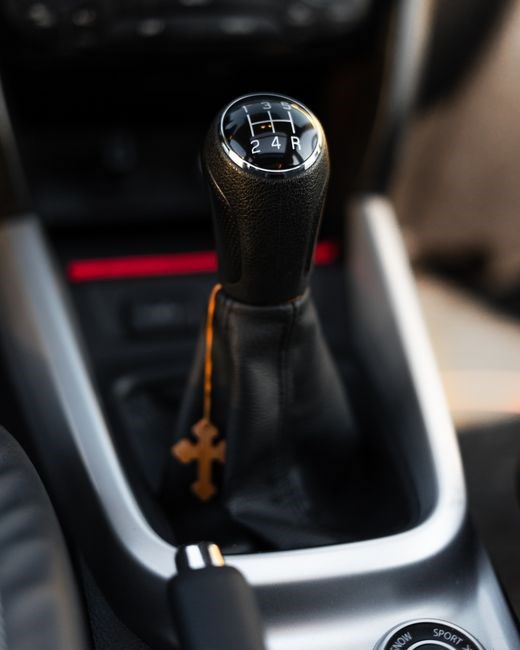
From a fuel‑efficiency standpoint, the impact is mixed. The engine’s idle time is extended by a few seconds to verify neutral status and parking‑brake engagement, adding negligible fuel—typically less than 0.1 % of a trip. However, pre‑conditioning the cabin and maintaining steady engine temperature can reduce overall fuel draw during the first minutes of driving, offsetting the idle penalty. In high‑performance scenarios, the brief idle period helps maintain turbocharger boost pressure, improving acceleration response.
Common Troubleshooting Scenarios
Performance enthusiasts note that the auto‑start module’s neutral‑only logic eliminates unintended movement, preventing abrupt throttle spikes when the driver shifts into gear. By keeping the vehicle stationary until the clutch is depressed, the system preserves launch control. Overall, while the fuel‑consumption increase is minimal, the indirect benefits—reduced clutch wear, consistent engine temperature, safer launch—enhance reliability and efficiency for manual‑transmission owners. This feature also supports remote diagnostics.
Future Trends and Emerging Technologies
Future developments will see remote‑start modules receive over‑the‑air updates, allowing manufacturers to deploy safety patches and new features without dealership visits. This capability also enables real‑time monitoring of battery health, so the system can pre‑emptively limit power draw when temperatures rise. Owners benefit from fewer service appointments and extended battery life. As shared mobility grows, remote‑start will be integral to vehicle access, reducing idle times in parking lots boosting fleet efficiency. Now