Embark on a fly fishing journey through New England’s pristine streams, discovering secrets to insect identification and mastering angling skills for unparalleled success.
Understanding the New England Fly Fishing Landscape
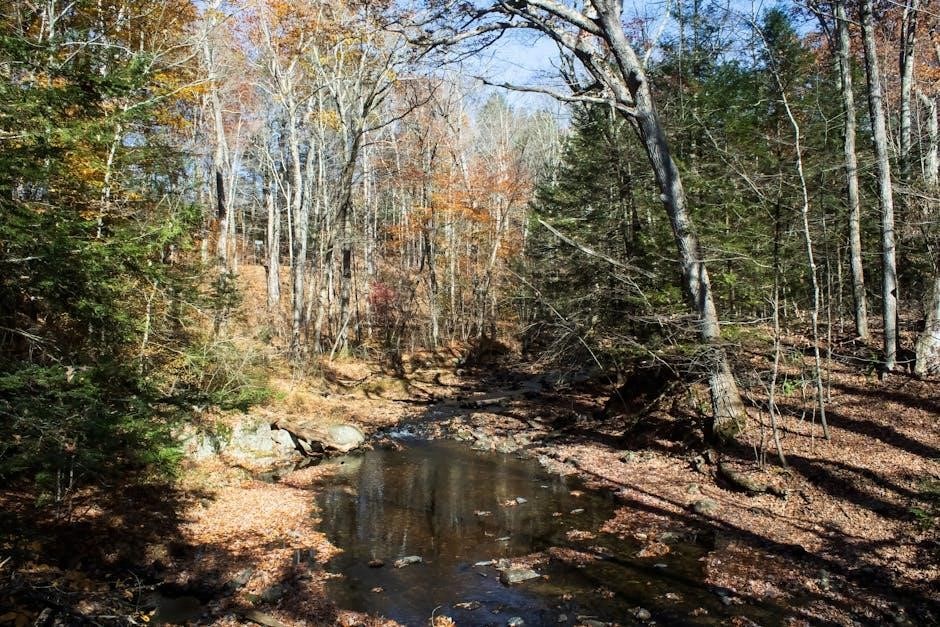
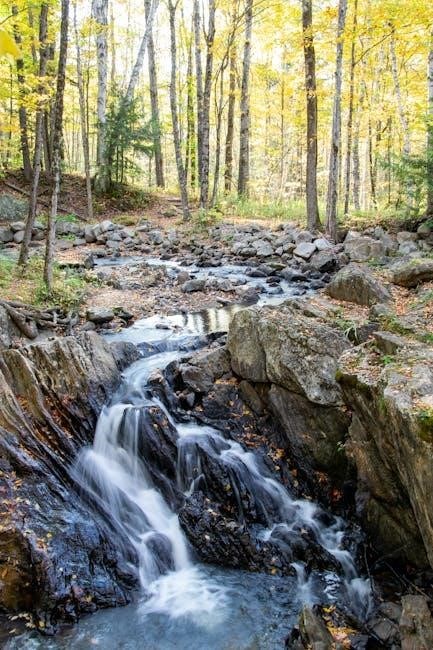
New England offers diverse streams, from fast-flowing mountain brooks to slower, warmer rivers, each presenting unique challenges and opportunities for fly fishers; The region’s varied topography and climate contribute to a complex aquatic ecosystem, supporting a rich diversity of insect life. Successful fly fishing here hinges on understanding these nuances and adapting your approach accordingly.
The Nissitissit and Squanacook Rivers exemplify classic New England waters, while broader knowledge of seasonal hatches—like Blue Winged Olives and Sulphurs—is crucial. Mastering the art of “matching the hatch” is paramount, requiring keen observation and precise fly selection to imitate the prevalent insects.
Key Insect Orders in New England Streams
New England streams teem with aquatic insects; Mayflies, Stoneflies, and Caddisflies are the primary orders, driving hatches and influencing fly fishing strategies.
Mayflies (Ephemeroptera)
Mayflies are crucial to New England hatches, emerging from streams in vast numbers. These insects undergo incomplete metamorphosis, spending most of their lives as nymphs underwater. Identifying Mayfly species—like Blue-Winged Olives (BWOs) or March Browns—is vital for fly selection. Fly fishers focus on matching the size and color of the emerging Mayflies with their artificial flies. Mayfly hatches often trigger active feeding periods for trout, making them a prime target. Understanding their life cycle and emergence patterns is key to successful angling. Different species emerge at different times, influenced by water temperature and flow.

Stoneflies (Plecoptera)
Stoneflies represent a significant food source for trout in New England streams, particularly during spring and early summer. These insects are strong swimmers even as nymphs, inhabiting riffles and rocky bottoms. Recognizing different Stonefly species—such as Golden Stoneflies or Yellow Sallies—is essential for effective fly fishing. Stonefly hatches often occur after warming trends, prompting aggressive feeding. Fly fishers often employ larger, more robust fly patterns to imitate Stoneflies due to their size. Understanding their life cycle and preferred habitats enhances angling success, as they indicate healthy stream ecosystems.
Caddisflies (Trichoptera)
Caddisflies are incredibly diverse and abundant in New England streams, making them a crucial component of a trout’s diet. Unlike Mayflies and Stoneflies, Caddisflies spend much of their life cycle underwater, constructing protective cases from pebbles, leaves, and other debris. Their emergence can happen throughout the season, with different species peaking at various times. Fly fishers imitate Caddisflies with patterns resembling both larvae (underwater) and adults (emerging or flying). Recognizing the specific Caddisfly type—and its corresponding life stage—is key to selecting the right fly and maximizing your chances of success.

Seasonal Hatch Breakdown
New England streams experience distinct seasonal hatches, influencing insect activity and trout feeding patterns; understanding these cycles is vital for successful fly fishing.
Spring Hatch Guide (March — May)
Spring in New England awakens the streams with increasing insect activity, offering exciting fly fishing opportunities. Early season focuses on Blue Winged Olives (BWOs), requiring delicate presentations with small flies. As waters warm, the Hendrickson hatch emerges, bringing larger mayflies and increased trout feeding.
The March Brown hatch follows, providing another significant mayfly opportunity. Anglers should be prepared with a range of patterns to match these varying hatches, adapting to changing conditions. Careful observation of rising fish and identifying emerging insects are key to success during this dynamic period.
Early Season Blue Winged Olives (BWO)
Early spring BWO hatches signify the start of the New England fly fishing season. These delicate mayflies emerge in colder water, demanding finesse and precise presentations. Trout readily key into BWOs, making them a prime target for anglers.
Effective fly patterns include parachute BWOs, comparaduns, and emergers in sizes #16-#20. Focus on slow, deliberate drifts, and consider using a longer leader and finer tippet. Observing the water carefully for subtle rises is crucial, as BWO hatches can be brief and sporadic.
Hendrickson Hatch
The Hendrickson hatch marks a significant increase in insect activity as water temperatures rise in spring. These larger mayflies, typically emerging in sizes #12-#16, trigger a feeding frenzy among trout. Anglers should anticipate both dry fly and nymphing opportunities during this hatch.
Effective patterns include traditional Hendrickson dry flies, parachute Hendrickson patterns, and Hendrickson nymph imitations. Focus on areas with softer currents and seams where emerging insects congregate. Matching the hatch closely with size and color is vital for success during this prolific event.
March Brown Hatch
The March Brown hatch, occurring alongside the Hendrickson, signifies a peak in early spring mayfly activity. These insects, generally in sizes #12-#14, provide a substantial food source for trout transitioning into active feeding patterns. Observing the emergence timing is crucial, as hatches can be localized and brief.
Effective fly choices include March Brown duns, spinners, and nymph imitations. Presenting these flies accurately during the peak of the hatch will yield the best results. Focus on riffles and runs where the current aids in insect emergence and drift, maximizing your chances of success.
Summer Hatch Guide (June — August)
Summer in New England brings prolific insect activity, demanding versatility from anglers. The Sulphur and Trico hatches dominate, offering consistent opportunities. Sulphurs (#12-#16) typically emerge in the evenings, while Triclos (#18-#20) appear during late afternoon and early morning, often creating spinner falls.
However, don’t overlook terrestrial insects like ants, beetles, and grasshoppers, especially during warmer days. Trout readily feed on these readily available food sources. Adapting your fly selection and presentation to match the prevailing conditions is key to success throughout these months.
Sulphur Hatch
The Sulphur hatch (Ephemerella dorothea) is a hallmark of New England summers, typically peaking from late June through July. These mayflies, ranging in size from #12 to #16, emerge primarily in the evenings, often creating spectacular rises. Focus on imitating both the duns and spinners.
Effective dry fly patterns include the Sulphur Parachute, the Sulphur Spinner, and traditional Sulphur patterns. Pay attention to water temperature and light conditions, as these influence hatch intensity. A delicate presentation is crucial, as trout can be selective during this hatch.
Trico Hatch
The Trico hatch (Baetis tricolor) signifies high summer in New England, usually occurring from July into August. These tiny mayflies (#18 ⎻ #22) emerge in massive numbers, often blanketing the water’s surface. This hatch typically happens in the early morning hours, before sunrise, creating a challenging but rewarding fishing experience.
Successful anglers employ very fine tippet (6x-7x) and delicate presentations. Effective patterns include the Trico Parachute, the Trico Spinner, and micro-flies imitating the emerging insects. Focus on reading the subtle rises and matching the hatch precisely.
Terrestrial Insect Activity
As summer progresses, terrestrial insects become increasingly important food sources for trout in New England streams. Ants, beetles, grasshoppers, and crickets frequently fall into the water, triggering opportunistic feeding. This period, typically from late June through August, offers exciting dry fly fishing opportunities.
Effective terrestrial patterns include Adams, Stimulators, and various beetle imitations in sizes #12 ⎻ #18. Pay attention to vegetation near the stream banks, as this is where many terrestrials originate. A slightly sloppy presentation often works well, mimicking the erratic fall of a real insect.
Fall Hatch Guide (September ⎻ November)
Fall in New England brings cooler temperatures and unique hatches, offering rewarding fly fishing before winter arrives. The Isonychia hatch, typically in September and October, features large, mayfly nymphs emerging, attracting trout with their size. Rusty spinner falls, occurring later in the fall, present a different challenge, requiring anglers to fish small spinners drifting low on the water.
Focus on late-season mayfly patterns (#12-16) and rusty spinner imitations (#18-20). Cloudy days and slower water often yield the best results during these hatches, as trout actively feed before the onset of colder weather.
Isonychia Hatch
The Isonychia hatch, a hallmark of New England autumns, typically emerges from September through October. These larger mayflies provide a significant food source for trout preparing for winter. Anglers should focus on fishing during cloudy days and evenings when Isonychias are most active, often near slower-moving water and seams.
Effective fly patterns include Isonychia nymphs (#10-14) and dry flies (#12-16), imitating the distinctive upright wing posture. Observing the hatch closely will reveal the size and color variations, allowing for precise fly selection and increased success.
Rusty Spinner Fall Hatch
As temperatures cool in late fall – November being prime time – the Rusty Spinner hatch emerges, signaling a final feeding frenzy before winter’s grip. These small spinners drift low on the water, attracting trout with their delicate dance. Dusk and dawn are the most productive times to target fish keyed into this hatch.
Fly selection should include Rusty Spinner nymphs (#16-18) and corresponding dry flies (#18-20). Matching the subtle rusty hue is crucial. Focus on presenting your fly delicately, as trout often sip these spinners with minimal disturbance.

Matching the Hatch: Fly Selection Strategies
Success hinges on accurately identifying the current insect emergence and selecting flies that closely imitate their size, shape, and color for optimal results.
Identifying the Current Hatch
Observing the stream is paramount; look for rising fish, indicating active feeding, and identify the insects they’re targeting. Scan the water’s surface and surrounding vegetation for adult insects – mayflies, caddisflies, or stoneflies – actively emerging or fluttering around.
Examine the insects themselves, noting their size, color, and wing patterns. Pay attention to spent insects drifting on the surface, as these provide clues to what the fish are currently feeding on.
Understanding the seasonal hatch charts and local reports, alongside insights from fly shops like The Evening Sun, will significantly aid in accurate identification and fly selection.
Fly Patterns for Common New England Insects
Matching the hatch requires a diverse fly box. For Blue Winged Olives (BWOs), carry Parachute BWOs in sizes 16-20, and emergers. Hendrickson hatches demand similar parachute patterns in sizes 14-16, alongside Rusty Spinners. March Browns necessitate sizes 12-14, utilizing both dry flies and nymphs.
During summer, Sulphur patterns (sizes 14-18) and Trico spinners (sizes 20-22) are crucial. Don’t forget terrestrial imitations like ants and beetles. Fall brings Isonychia (sizes 12-16) and Rusty Spinner fall hatches, requiring specific patterns.
Local fly shops can provide tailored recommendations.
Dry Fly Selection
Effective dry fly selection hinges on accurate insect identification and size matching. Parachute patterns excel in imitating many mayflies and caddisflies, offering excellent visibility. For Blue Winged Olives, sizes 16-20 are essential, while Hendrickson hatches call for 14-16 patterns.
Sulphurs require sizes 14-18, and Tricos demand tiny 20-22 flies. Terrestrial imitations – ants, beetles – become vital during summer. Consider using spinner patterns during evening hatches, mimicking spent insects drifting downstream.
Always carry a range of sizes and styles.
Nymph Selection
Nymph fishing often proves productive when trout are selective or insects aren’t actively rising. Pheasant Tail Nymphs and Hare’s Ear Nymphs are versatile, imitating various mayfly and caddisfly larvae. Stonefly nymphs, in sizes 8-14, are crucial during stonefly hatches;
For BWO hatches, use small, dark nymphs (sizes 16-20). During sulphur emergences, lighter-colored nymphs (sizes 14-18) work well. Consider using weighted nymphs to get your fly down to the feeding zone quickly, especially in faster currents.
Experiment with different patterns and weights.
Emerger Selection
Emerger patterns mimic insects transitioning from their nymphal stage to adults, often fished just below the surface film. These flies can be incredibly effective when trout are keying in on rising insects. Parachute Adams and spent wing patterns are excellent choices for mayfly emergences, particularly during Blue Winged Olive or March Brown hatches.
For caddisflies, utilize emerger patterns that imitate the pupal stage as they rise. Consider using trailing shucks to enhance the realism of your presentation, mimicking the insect’s struggle to break free.
Observe the hatch closely to match size and color.
Essential Fly Fishing Techniques for New England Streams
Mastering techniques like reading the water and precise presentation are crucial for success; upstream dry fly presentation and effective nymphing are key skills.
Reading the Water
Successfully navigating New England streams demands understanding water dynamics. Look for seams where faster and slower currents meet, often holding drifting insects and attracting trout. Identify pools as resting areas, and riffles as oxygen-rich zones where insects thrive.
Rocks create eddies and current breaks, providing shelter for fish. Observe the surface film for rising fish, indicating active feeding. Consider the depth and structure; undercut banks and submerged logs offer cover.
Learning to “read” the water allows anglers to predict fish location and present flies effectively, maximizing chances for a rewarding experience in these beautiful streams.
Presentation Techniques
Effective fly presentation is crucial for success. Mastering the upstream dry fly presentation involves casting across the current, allowing a drag-free drift. Mending the line combats drag, extending the natural float.
For nymphing, utilize techniques like the Czech nymph or indicator nymphing, carefully controlling depth and drift speed; Subtle twitches can trigger strikes.
Focus on a natural presentation, mimicking the insect’s movement. Observe how insects drift in the current and replicate that action with your fly. Practice and patience are key to mastering these techniques and fooling wary trout.
Upstream Dry Fly Presentation
The upstream dry fly presentation is a cornerstone technique. Cast across the current, aiming slightly upstream of your target. This allows the fly to drift naturally, mimicking a real insect.
Mending your fly line is vital to eliminate drag, extending the drift. A proper mend lifts the line, counteracting the current’s pull.
Focus on a delicate presentation, avoiding any splash. Observe the drift closely, and be ready to set the hook at the slightest sign of a take. Practice creates a seamless, effective presentation.
Nymphing Techniques
Nymphing excels when fish are feeding subsurface. Utilize an indicator nymph setup, adjusting depth to match likely feeding zones. A sensitive strike indicator reveals subtle takes. Alternatively, employ Euro nymphing, a direct contact method offering exceptional feel.
Weighting your fly line and tippet is crucial for reaching the bottom. Mend strategically to maintain a natural drift, avoiding drag.
Detecting strikes requires focus; watch for indicator movement or feel for a “tick” on the line. Set the hook promptly, ensuring a solid connection with the fish.
Gear Recommendations for New England Fly Fishing
Select a rod and reel suited for trout streams, considering line weight and balance. Tippet and leader management are vital for presentation and success.
Rod and Reel Selection
Choosing the right rod and reel is fundamental for New England fly fishing. A 9-foot, 5 or 6-weight rod offers versatility for various stream sizes and conditions. Graphite rods provide sensitivity, while fiberglass offers durability – consider your casting style.
Reel size should match the rod weight, capable of holding sufficient backing and fly line. A smooth drag system is crucial when battling strong trout. Look for reels constructed from lightweight, corrosion-resistant materials.
Prioritize balance; a well-balanced setup reduces fatigue during long fishing sessions. Don’t underestimate the importance of a comfortable grip, enhancing control and accuracy. Quality components ensure longevity and performance.
Fly Line Considerations
Selecting the appropriate fly line significantly impacts casting distance and presentation. Weight-forward floating lines are ideal for most New England streams, facilitating delicate presentations. Consider a line designed for trout, offering a tapered leader section for improved turnover.
For nymphing, a specialized nymph line or a floating line with a sinking tip can effectively deliver flies to the strike zone. Line color is a personal preference, but generally, lighter colors offer better visibility.
Regularly cleaning and treating your fly line extends its lifespan and maintains optimal performance. Proper line management prevents tangles and ensures smooth casting.
Tippet and Leader Management
Effective tippet and leader management are crucial for subtle presentations. A 7.5-9ft tapered leader provides a smooth energy transfer, while tippet material should match the hatch and water clarity. Fluorocarbon offers invisibility, while nylon provides greater stretch.
Most tippet sizes support three or four fly sizes before becoming too stiff or thin. Heavier sizes are beneficial in dirty or windy conditions, or when targeting strong fish. Regularly inspect your tippet for fraying and replace it frequently.
Proper knot tying minimizes tippet breakage and ensures secure connections.

Resources for Staying Updated on Hatches
Connect with local fly shops like The Evening Sun, explore online hatch charts, and engage with angling communities for real-time insights into New England hatches.
Local Fly Shops (e.g., The Evening Sun Fly Shop)
Local fly shops are invaluable resources for New England anglers seeking current hatch information and expert advice. Shops like The Evening Sun Fly Shop in Pepperell, Massachusetts, offer decades of experience – over 40 years in this case – on regional waters like the Nissitissit and Squanacook Rivers.
These establishments often provide up-to-date reports on what’s hatching, recommended fly patterns, and even guided trips. Beyond flies and gear, they foster a community of anglers willing to share knowledge. Don’t hesitate to call or visit; their expertise can significantly enhance your fishing success, and they often allow pre-ordering of flies!
Online Hatch Charts and Reports
Supplementing local knowledge with online resources provides a comprehensive understanding of New England hatches. While specific regional charts weren’t detailed in the provided text, many websites and forums compile hatch data reported by anglers. These resources often detail expected emergence times for key insect orders – Mayflies, Stoneflies, and Caddisflies – throughout the season.
Look for sites offering seasonal hatch information, bug identification guides, and suggested fly patterns. Remember to verify information with local fly shops, as conditions can vary. Online resources, combined with on-the-water observation, are crucial for successful matching the hatch.
Connecting with Local Angling Communities
Engaging with local fly fishing communities offers invaluable, real-time insights into current hatch activity. The provided text highlights the importance of local fly shops, like The Evening Sun Fly Shop in Pepperell, Massachusetts, as hubs of knowledge. These shops often host events and provide up-to-date reports from experienced anglers.
Furthermore, connecting with fellow anglers through forums or social media groups allows for shared observations and fly pattern recommendations. Building relationships within the local angling community significantly enhances your understanding of New England’s dynamic hatch patterns.