NYC: A Designer’s Guide ⸺ Overview
New York City stands as a global epicenter for design, offering unparalleled resources and inspiration for professionals. From luxury showrooms to artisan workshops,
NYC fuels creativity and innovation within the design industry, attracting talent worldwide.
New York City’s design landscape is a dynamic fusion of established luxury and emerging contemporary aesthetics, attracting designers globally. The city’s influence stems from its historical role as a cultural hub and its continuous embrace of innovation. For decades, institutions like the Decoration & Design Building (D&D) have served as premier destinations, housing over 100 showrooms representing 3,000 leading manufacturers.
This concentration of resources, coupled with a thriving artisan community, makes NYC uniquely positioned to support diverse design projects. The city isn’t just about sourcing materials; it’s about fostering collaboration and staying ahead of trends. The NYC Department of Design and Construction (DDC) further emphasizes a commitment to excellence, guiding capital projects with a focus on value and responsible fund allocation.
The Importance of NYC as a Design Hub
New York City’s significance as a design hub rests on its unparalleled concentration of resources and its ability to set global trends. The D&D Building, a cornerstone of the industry since 1965, exemplifies this, offering access to a vast network of showrooms and manufacturers. This accessibility streamlines the sourcing process for designers, fostering efficiency and creativity.
Furthermore, NYC’s commitment to design extends beyond commerce. The Department of Design and Construction (DDC) champions excellence in public projects, utilizing innovative procurement processes like PASSPort; This dedication, combined with a vibrant community of studios like Studio Khadivi, solidifies NYC’s position as a leading force in shaping the future of design.

Key Design Districts in NYC
NYC boasts diverse design districts, each with a unique character. From Midtown’s luxury focus to SoHo’s artistic flair, exploration reveals distinct aesthetics and resources.
Midtown: The Heart of Luxury Design
Midtown Manhattan firmly establishes itself as the premier destination for high-end design, largely due to the presence of the Decoration & Design Building (D&D Building). This iconic hub houses over 100 luxury international showrooms, representing more than 3,000 leading manufacturers dedicated to exquisite residential and business interior furnishings.
Design professionals flock to Midtown to source the very best in materials, finishes, and furnishings. The district’s concentration of showrooms facilitates efficient product sourcing and provides a centralized location for staying abreast of the latest trends. Beyond sourcing, Midtown offers valuable educational opportunities and resource information, solidifying its position as a cornerstone of luxury design in NYC and globally.
SoHo: Contemporary and Artistic Design
SoHo distinguishes itself as a vibrant district celebrated for its contemporary and artistic design aesthetic. Unlike the concentrated showroom experience of Midtown, SoHo offers a more exploratory and curated retail environment. The neighborhood’s cast-iron architecture and artistic heritage foster a unique atmosphere, attracting designers seeking innovative and unconventional pieces.
Here, you’ll discover a blend of established design boutiques and emerging studios, showcasing cutting-edge furniture, lighting, and art objects. SoHo’s streets invite browsing and discovery, encouraging designers to find unique elements that reflect a modern, artistic sensibility. It’s a place where creativity thrives and individual expression is paramount, making it a key destination for forward-thinking design.
Tribeca: Industrial Chic and High-End Furnishings
Tribeca embodies a sophisticated aesthetic characterized by industrial chic and high-end furnishings. Once a warehouse district, Tribeca’s loft spaces and converted industrial buildings now house a curated selection of design showrooms and boutiques. This neighborhood appeals to designers seeking refined, luxurious pieces with a raw, urban edge.
Expect to find premium furniture brands, bespoke lighting solutions, and exquisite materials that cater to discerning clients. Tribeca’s design scene emphasizes quality craftsmanship and timeless elegance, often incorporating elements of exposed brick, concrete, and steel. It’s a destination for those who appreciate understated luxury and a sophisticated, urban lifestyle, offering a distinct alternative to SoHo’s more avant-garde offerings.
DUMBO: Emerging Design and Waterfront Views
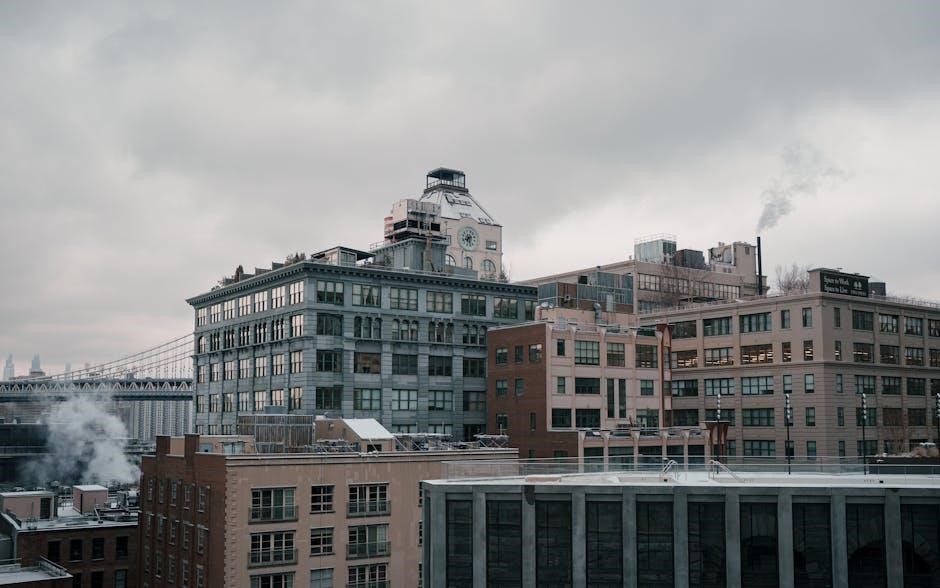
DUMBO, nestled beneath the Manhattan Bridge, presents a dynamic and rapidly evolving design landscape. This Brooklyn neighborhood blends industrial heritage with contemporary creativity, offering stunning waterfront views alongside emerging design studios and innovative showrooms. DUMBO attracts designers seeking a fresh perspective and a more experimental atmosphere.
Here, you’ll discover a growing community of independent makers, artists, and designers pushing boundaries with unique furniture, lighting, and art installations. The area’s converted warehouses provide inspiring spaces for showcasing cutting-edge designs. DUMBO’s appeal extends beyond its design offerings; the picturesque setting and vibrant cultural scene make it a compelling destination for creative exploration and client presentations.

Essential Resources for Designers
NYC provides designers with crucial resources, including the D&D Building—a premier destination—and the Department of Design and Construction (DDC) for project guidance.
The D&D Building: A Premier Design Destination
The Decoration & Design Building (D&D Building) is nationally and internationally recognized as the United States’ premier design destination since 1965. Housing over 100 luxury international showrooms within NYC’s design district, it’s the go-to location for top design professionals seeking to source exceptional products.
The D&D Building represents over 3,000 leading manufacturers dedicated to the finest in residential and business interior furnishings. Beyond sourcing, it provides valuable educational opportunities and comprehensive resource information. It’s a hub for staying current with industry trends and discovering innovative materials. Designers consistently rely on the D&D Building for both inspiration and practical project needs, solidifying its position as an indispensable resource.
Navigating the D&D Building Showrooms
Effectively navigating the D&D Building requires a strategic approach. With over 100 showrooms, pre-planning is essential. Utilize the building’s directory – available online and on-site – to identify showrooms aligned with your project’s specific needs. Consider focusing on floors dedicated to particular product categories, streamlining your search.
Allow ample time for exploration; each showroom offers a unique immersive experience. Don’t hesitate to engage with showroom representatives – they are valuable resources for product details, customization options, and lead times. Remember to collect samples and relevant literature. The D&D Building fosters a collaborative environment, making it easy to connect with industry experts and discover cutting-edge designs.
Networking Opportunities at the D&D Building
The D&D Building isn’t merely a sourcing destination; it’s a vibrant hub for professional networking. Throughout the year, the building hosts numerous events – product launches, workshops, and seminars – providing invaluable opportunities to connect with peers, manufacturers, and industry leaders. These events often feature continuing education credits, enhancing your professional development.
Actively participate in these gatherings, initiating conversations and exchanging insights. The D&D Building’s atmosphere encourages collaboration and knowledge-sharing. Don’t underestimate the power of informal interactions; a casual conversation in the lobby or at a showroom event can lead to fruitful partnerships. Building strong relationships within this community is key to success in NYC’s competitive design landscape.
NYC Department of Design and Construction (DDC)
The NYC Department of Design and Construction (DDC) plays a crucial role in shaping the city’s infrastructure and public spaces, presenting opportunities for designers. The DDC manages the design and construction of many of the city’s capital projects, prioritizing responsible use of public funds and value. Collaboration with the DDC requires navigating their complex procurement processes.
Accessing these opportunities begins with understanding PASSPort, NYC’s Procurement and Sourcing Solutions Portal. Creating a NYC.ID is essential for login and competing for contracts. Familiarize yourself with the associated Terms of Use and Privacy Policy. Successfully engaging with the DDC demands a commitment to excellence and adherence to city regulations.
Understanding NYC’s Procurement Process (PASSPort)
PASSPort, New York City’s Procurement and Sourcing Solutions Portal, is the gateway for designers seeking to collaborate on city projects. This online system streamlines the procurement process, making it easier to find and compete for contracts. However, navigating PASSPort requires careful attention to detail and adherence to specific guidelines.
Before accessing opportunities, designers must create a NYC.ID account, acknowledging and agreeing to the NYC.ID Terms of Use, the overall NYC.gov Terms of Use, and the NYC.gov Privacy Policy. Thoroughly understanding these terms is crucial. PASSPort facilitates a transparent and competitive bidding environment, demanding meticulous preparation and a clear understanding of project requirements.
Collaboration with DDC on Capital Projects
The NYC Department of Design and Construction (DDC) actively seeks collaboration with experienced design and construction professionals on its capital projects. Successful partnerships hinge on a commitment to design and construction excellence, prioritizing responsible use of public funds and delivering optimal value.
DDC guides projects through complex processes, emphasizing collaboration with creative teams. Designers should demonstrate a proven track record and a deep understanding of NYC’s specific regulations and standards. Engaging with the DDC requires a proactive approach, clear communication, and a dedication to achieving project goals efficiently and effectively. This partnership fosters innovation and contributes to the city’s evolving landscape.
Design Studios and Notable Firms
NYC boasts a vibrant design community, featuring studios like Studio Khadivi, known for visual storytelling and customized design services, elevating interior spaces.
Studio Khadivi: A Case Study in NYC Design
Studio Khadivi, a NYC-based firm, exemplifies the city’s dynamic design approach. Recognized as a visual storyteller, the studio delivers fast, thorough, and spectacular customer support through customized design solutions. Their expertise lies in crafting unique experiences tailored to each client’s vision, demonstrating a commitment to personalized service.
The studio’s success is built on a foundation of understanding client needs and translating them into compelling visual narratives. They prioritize collaboration and communication, ensuring a seamless design process. Studio Khadivi consistently delivers exceptional results, solidifying its position as a notable firm within NYC’s competitive design landscape.
The Studio’s Approach to Visual Storytelling
Studio Khadivi’s core philosophy centers on visual storytelling, believing that every space should narrate a unique and compelling story. This approach transcends mere aesthetics, focusing on creating immersive experiences that resonate emotionally with occupants. They meticulously curate design elements – from color palettes to material selections – to build a cohesive narrative.
The studio doesn’t simply design spaces; they craft environments that reflect the client’s identity, values, and aspirations. This involves a deep understanding of the client’s lifestyle and a commitment to translating their vision into a tangible reality. Studio Khadivi expertly weaves together form and function, resulting in designs that are both beautiful and meaningful.
Customized Design Services Offered
Studio Khadivi provides a comprehensive suite of customized design services tailored to meet the unique needs of each client. These services encompass everything from initial concept development and space planning to detailed design documentation and project management. They specialize in creating bespoke interiors for residential and commercial spaces, ensuring every detail aligns with the client’s vision.
Recognized for fast, thorough, and spectacular customer support, the studio excels in delivering personalized solutions. They offer services including furniture selection, lighting design, and custom millwork, all executed with precision and artistry. Studio Khadivi’s commitment to excellence ensures a seamless and satisfying design experience, transforming spaces into captivating environments.

Sourcing Materials and Products
NYC offers designers access to luxury international showrooms and local artisan workshops, providing unique, high-end materials and bespoke pieces for diverse projects.
Luxury International Showrooms
New York City boasts a remarkable concentration of luxury international showrooms, particularly within the Decoration & Design Building (D&D Building). Established in 1965, the D&D Building serves as the premier design destination in the United States, housing over 100 showrooms.
These showrooms represent more than 3,000 leading manufacturers dedicated to the finest residential and business interior furnishings. Designers can discover an extensive range of products, from fabrics and wallcoverings to furniture and lighting. Sourcing from these showrooms allows professionals to access exclusive materials and establish crucial relationships with suppliers. The D&D Building isn’t just a marketplace; it’s a hub for networking and staying abreast of the latest industry trends, offering educational opportunities alongside its vast product offerings.
Finding Unique and High-End Materials
NYC’s luxury international showrooms, concentrated in areas like the D&D Building, are invaluable for sourcing exceptional materials. Designers can uncover fabrics, wallcoverings, furniture, and lighting not readily available elsewhere. These showrooms showcase products from globally renowned manufacturers, representing the pinnacle of design innovation and quality.
Beyond established brands, exploration reveals unique finds – bespoke textiles, handcrafted hardware, and exclusive finishes. Building strong relationships with showroom representatives is key; they offer insights into new arrivals, custom options, and potential lead times. Proactive communication and a clear understanding of project needs ensure access to the most suitable high-end materials, elevating designs to a truly luxurious standard.
Building Relationships with Suppliers
Cultivating strong relationships with suppliers is paramount for NYC designers. Beyond transactional interactions, fostering genuine connections unlocks benefits like priority access to new materials, customized solutions, and favorable pricing. Regular communication, clear project briefs, and timely payments demonstrate professionalism and build trust.
Attend industry events and showroom openings to network directly with supplier representatives. Understanding their capabilities, lead times, and potential limitations allows for realistic project planning. A collaborative approach, where designers view suppliers as partners rather than vendors, leads to smoother project execution and consistently exceptional results within the competitive NYC design landscape.
Local Artisan Workshops
NYC boasts a vibrant community of local artisan workshops, offering designers unique opportunities to source bespoke pieces and support local craftsmanship. These workshops specialize in diverse skills – from furniture making and metalwork to ceramics and textile arts – providing alternatives to mass-produced items.
Commissioning custom work allows for unparalleled design flexibility and personalization, catering to clients seeking truly one-of-a-kind elements. Engaging with local artisans fosters a collaborative spirit and contributes to the city’s creative economy. Discovering these hidden gems requires exploration, attending craft fairs, and networking within the design community, enriching projects with authentic NYC character.
Supporting NYC’s Craft Community
Choosing to collaborate with NYC’s artisan workshops directly impacts the city’s creative ecosystem, fostering economic growth and preserving traditional skills. By prioritizing locally made goods, designers contribute to a more sustainable and ethical supply chain, reducing reliance on global manufacturing.
This support extends beyond financial benefits; it encourages innovation, mentorship opportunities, and the continuation of valuable craft traditions. Designers become advocates for these artisans, showcasing their talent and helping them reach wider audiences. Investing in NYC’s craft community strengthens the city’s unique identity and enriches the design landscape for everyone involved.
Commissioning Custom Pieces
NYC’s local artisan workshops excel at bringing unique design visions to life through bespoke creations. Commissioning custom pieces allows designers to move beyond mass-produced items, offering clients truly one-of-a-kind furnishings and décor. This collaborative process fosters a direct relationship between designer, artisan, and client, ensuring exceptional quality and personalized attention to detail.
From handcrafted furniture to specialized lighting and art installations, the possibilities are limitless. Designers can specify materials, dimensions, and finishes, resulting in pieces perfectly tailored to the project’s aesthetic and functional requirements. Supporting custom work elevates the design, showcasing artistry and individuality.
Trends in NYC Design (2026)
In 2026, NYC design prioritizes sustainability, technology integration, and biophilic elements, seamlessly blending nature with innovative interior solutions for mindful living.
Sustainable and Eco-Friendly Design
NYC’s design landscape in 2026 is profoundly shaped by a commitment to sustainability. Designers are increasingly prioritizing materials with low environmental impact, such as reclaimed wood, recycled content fabrics, and innovative bio-based plastics. This extends beyond material selection to encompass energy-efficient lighting, water conservation systems, and waste reduction strategies within interior spaces.
A growing demand exists for locally sourced materials, reducing transportation emissions and supporting the regional economy. Designers are also embracing circular design principles, focusing on durability, repairability, and the potential for future reuse or recycling of furnishings and finishes. Clients are actively seeking designs that minimize their carbon footprint and promote a healthier indoor environment, driving the adoption of eco-friendly practices throughout the industry.
The Integration of Technology in Interior Spaces
By 2026, New York City interiors are witnessing a seamless blend of design and technology. Smart home systems are becoming standard, offering automated lighting, climate control, and security features, all controllable via intuitive interfaces. Designers are incorporating integrated sound systems, hidden charging stations, and motorized window treatments to enhance convenience and functionality.
Beyond automation, technology is influencing aesthetics. Digital art displays, interactive surfaces, and projection mapping are transforming walls into dynamic canvases. Virtual and augmented reality tools are aiding in design visualization, allowing clients to experience spaces before they are built. This tech integration isn’t merely about gadgets; it’s about creating responsive, personalized environments that cater to the evolving needs of modern living.
Biophilic Design and Bringing Nature Indoors
In 2026, New York City designers are increasingly embracing biophilic design principles, recognizing the profound impact of nature on well-being. This trend moves beyond simply adding plants; it’s about creating a deep connection with the natural world within urban spaces.
Expect to see living walls, indoor gardens, and water features becoming commonplace in both residential and commercial interiors. Natural materials like wood, stone, and bamboo are favored, alongside organic shapes and patterns that mimic nature. Maximizing natural light and ventilation is also crucial. Designers are strategically incorporating views of greenery and utilizing nature-inspired color palettes to foster a sense of calm and rejuvenation, counteracting the city’s fast-paced energy.