Is Replacing an Automatic Transmission with a Manual Feasible?
Yes, converting from automatic to manual is often achievable, though complexities and costs vary significantly by vehicle. Online forums and videos demonstrate successful swaps,
but network security blocks hinder detailed cost assessments currently.
The feasibility hinges on parts availability, mechanical skill, and legal considerations, as indicated by discussions on platforms like Reddit and Quora.
Overview of the Conversion Process
The conversion typically begins with sourcing a compatible manual transmission, clutch, flywheel, and pedal assembly. Removing the existing automatic transmission involves disconnecting the driveshaft, shift linkage, and electrical connections. Floorboard modifications are often necessary to accommodate the manual pedal setup, potentially requiring welding and metal fabrication.
Next, the clutch system must be installed, including the pressure plate, clutch disc, and throw-out bearing. The wiring harness requires alterations to remove automatic transmission controls and integrate manual transmission sensors. The ECU may need reprogramming or replacement to support the manual transmission. Finally, the driveshaft length may need adjustment, and the vehicle requires thorough testing to ensure proper operation. Online resources, despite access issues, suggest a complex undertaking.
Why Consider a Manual Swap?
Enthusiasts often pursue manual swaps for enhanced driver engagement and a more connected feel to the vehicle. A manual transmission typically offers improved fuel efficiency, though modern automatics are narrowing this gap. Some drivers prefer the greater control over gear selection and engine braking provided by a manual system.
Furthermore, manual transmissions can be more reliable and less expensive to repair than complex automatic transmissions. Swapping can also increase a vehicle’s resale value among driving purists. While cost and complexity are significant factors, the benefits of a more engaging and potentially more reliable driving experience drive many to consider this modification, as discussed in online forums.
Vehicles Most Suitable for Manual Conversions
Certain vehicles lend themselves more readily to manual swaps due to parts availability and existing chassis provisions. Rear-wheel-drive cars, particularly those originally offered with a manual option, are generally easier to convert. Older models, like the BMW E30 referenced in online discussions, often have established aftermarket support and readily available conversion kits.
Vehicles with simpler electronic systems pose fewer integration challenges. Front-wheel-drive conversions are more complex, requiring significant modifications to the drivetrain and potentially the chassis. The feasibility also depends on the specific vehicle’s design and the availability of compatible components, as highlighted by community forums.
Cost Breakdown of an Automatic to Manual Swap
Swap costs vary widely, influenced by vehicle type, parts sourcing (used vs. new), and labor—DIY versus professional mechanic rates—as seen online.
Parts Required for the Conversion
A comprehensive manual swap demands more than just the transmission itself. Essential components include a compatible manual transmission, clutch kit (disc, pressure plate, throw-out bearing), flywheel, and potentially a new driveshaft tailored to the manual transmission’s length.
The pedal assembly – brake and clutch – is crucial, often requiring sourcing from a donor vehicle. Don’t forget the clutch master and slave cylinders, along with the necessary hydraulic lines. Wiring harness modifications or a complete replacement are frequently needed for ECU compatibility.
Shifter linkage and a console modification (if applicable) complete the core parts list. Sourcing these components can be challenging, requiring diligent searching through online marketplaces and salvage yards.
Transmission and Related Components
The core of the swap is, naturally, the manual transmission itself. Selecting a unit compatible with your engine and drivetrain is paramount. This often involves researching gear ratios and overall transmission strength to match your vehicle’s intended use.
Alongside the transmission, a new flywheel is essential, matched to the engine and clutch. The clutch kit – comprising the disc, pressure plate, and throw-out bearing – must be new or in excellent condition. A driveshaft of the correct length is frequently required, as manual transmissions often differ in output flange position.
Finally, consider a transmission crossmember, potentially needing fabrication or modification for proper mounting.
Pedal Assembly and Clutch System
Converting from automatic necessitates a complete pedal assembly overhaul. You’ll need a manual brake and clutch pedal, often sourced from a donor vehicle or purchased new. Proper mounting is crucial, potentially requiring welding or fabrication to secure the assembly within the driver’s footwell.
The clutch master cylinder and slave cylinder form the hydraulic link actuating the clutch. Lines connecting these components must be correctly sized and routed, ensuring leak-free operation.
Don’t overlook the clutch cable (if applicable) or hydraulic line brackets. Accurate adjustment of the clutch pedal free play is vital for smooth shifting and preventing premature wear.
Wiring Harness and ECU Considerations
The automatic transmission’s wiring needs significant modification or replacement. Removing the automatic transmission control signals and integrating manual transmission inputs is essential. This often involves splicing, re-pinning, or fabricating sections of the wiring harness.
The Engine Control Unit (ECU) may require reprogramming to remove automatic transmission-related functions and accommodate manual operation. Some ECUs can be flashed, while others may necessitate a standalone ECU or chip tuning.
Neutral Safety Switch functionality must be replicated for starting. Carefully consider any speed sensor inputs and outputs, ensuring compatibility with the new manual transmission setup.
Labor Costs: Mechanic vs. DIY
Professional mechanic labor for an automatic-to-manual swap can range dramatically, potentially from $1,500 to $5,000 or more, depending on vehicle complexity and shop rates. Reddit discussions suggest costs vary widely, highlighting the importance of obtaining multiple quotes.
A DIY approach significantly reduces labor costs, but demands substantial mechanical expertise, specialized tools, and time commitment. Expect the project to take weeks or even months for an inexperienced individual.
DIYers save on labor but risk errors leading to further expenses. Mechanics offer expertise and warranty on their work, providing peace of mind, despite the higher upfront cost.
Potential Hidden Costs
Beyond parts and labor, several unforeseen expenses can inflate the total cost of an automatic-to-manual conversion. Worn or damaged components discovered during disassembly – like driveshafts or clutch hydraulics – require replacement. Floorboard modifications, often necessary, add to material and fabrication costs.
ECU recalibration or a standalone engine management system might be needed for optimal performance, incurring programming fees. Unexpected wiring issues or the need for custom fabrication can also arise.
Don’t forget potential costs for fluid flushes, alignment after the swap, and addressing any resulting warning lights or diagnostic trouble codes. A contingency fund is crucial.
Mechanical Challenges and Considerations
Significant hurdles include drivetrain compatibility, floorboard alterations, and complex ECU integration. Successful swaps demand careful planning and addressing potential wiring conflicts.
Drivetrain Compatibility
Ensuring drivetrain compatibility is paramount during an automatic-to-manual conversion. The chosen manual transmission must physically fit within the vehicle’s transmission tunnel and align correctly with the engine’s flywheel.
Furthermore, the driveshaft length may require adjustment or replacement to accommodate the different transmission output. The rear differential ratio should also be considered, as it impacts overall gearing and performance.
Compatibility extends to the clutch system; selecting a clutch designed for the engine’s torque output is crucial for reliability. Online resources highlight that mismatched components can lead to premature wear or even drivetrain failure, emphasizing the need for thorough research and careful parts selection.
Floorboard Modifications
Significant floorboard modifications are frequently necessary when swapping an automatic for a manual transmission, primarily to accommodate the clutch pedal assembly. Vehicles originally equipped with automatics lack the structural provisions for a manual pedal setup.
This often involves cutting and welding new metal to create a reinforced mounting point for the pedal box. Careful consideration must be given to maintaining structural integrity and ensuring the pedal’s proper positioning for comfortable and safe operation.
Depending on the vehicle, additional modifications may be needed to clear the clutch linkage or master cylinder. Online forums suggest meticulous planning and precise fabrication are essential for a clean and functional installation.
Wiring and Electronic Control Unit (ECU) Integration
Integrating the manual transmission with the vehicle’s existing wiring harness and ECU presents substantial challenges. Automatic transmissions often communicate with the ECU for functions like torque converter lockup and gear selection. Removing these signals requires careful attention to avoid error codes and operational issues.
Depending on the vehicle, ECU reprogramming or the installation of a standalone engine management system may be necessary to disable automatic transmission-related functions and enable proper engine control with a manual gearbox.
Furthermore, wiring for the clutch switch, which prevents starting in gear, must be correctly integrated. Network security issues currently limit access to detailed wiring diagrams for specific vehicle models.
Master Cylinder and Brake Line Adjustments
Switching to a manual transmission necessitates adjustments to the brake system, as the clutch master cylinder shares hydraulic fluid with the brake master cylinder. A dual-circuit system is crucial for maintaining braking performance if a leak occurs in the clutch line.
Proper brake line routing is essential to prevent interference with the new clutch linkage or exhaust components. The master cylinder mounting location may require modification or fabrication of brackets.
Bleeding the entire brake system after installation is vital to remove any air bubbles and ensure optimal pedal feel. Current network restrictions hinder access to specific adjustment procedures for various vehicle makes and models.
Legal and Insurance Implications
Modifications like a transmission swap may require vehicle inspection and registration updates. Informing your insurer is crucial, as changes impact coverage and premiums.
Vehicle Registration and Inspection
Post-swap, verifying legality is paramount. Many jurisdictions require notification of significant vehicle modifications, including transmission changes, to the Department of Motor Vehicles (DMV) or equivalent agency.
Inspection may be mandated to ensure the conversion meets safety standards. This often involves checking the functionality of the clutch system, brake lines, and overall drivetrain integrity. Failure to comply can result in registration denial or fines.
Documentation is key; retain all receipts and records of the conversion process. Some states may require an inspection by a certified mechanic to validate the work performed. Researching local regulations before starting the swap is highly recommended to avoid legal complications.
Ultimately, proper registration and inspection guarantee road legality and prevent potential issues with law enforcement.
Insurance Coverage After the Swap
Notifying your insurance provider is crucial after a manual transmission swap. Failing to do so could invalidate your policy in the event of an accident.
Insurance companies assess risk, and a modified vehicle—even with a performance enhancement like a manual transmission—may require a policy adjustment. Expect potential premium changes, either increases or, in some cases, decreases depending on the insurer’s assessment.
Be prepared to provide detailed documentation of the conversion, including receipts for parts and labor. Some insurers may request a professional appraisal to determine the vehicle’s modified value.
Transparency is key to maintaining valid coverage. Concealing the modification could lead to claim denial and legal repercussions.
Finding the Right Parts
Sourcing components requires diligent searching through online marketplaces, salvage yards, and forums. Used parts offer cost savings, while new parts ensure reliability.
Availability varies, so thorough research is essential for a successful manual swap.
Sourcing Used vs. New Components
Choosing between used and new components is a critical decision during a manual transmission swap. Used parts, often found in salvage yards or online forums, present a significantly more affordable option, potentially saving hundreds or even thousands of dollars. However, their condition is often unknown, introducing risk and potentially requiring further repairs or replacements down the line.
New components, while considerably more expensive upfront, offer peace of mind through guaranteed quality and reliability. A new transmission, clutch kit, and related parts eliminate the uncertainty associated with used items. This is particularly important for crucial components like the transmission itself, where failure can be catastrophic.
A balanced approach might involve utilizing new parts for critical wear items – like the clutch, pressure plate, and throw-out bearing – while sourcing used, but carefully inspected, components for less critical elements. Thorough inspection and research are paramount regardless of the chosen path.
Online Marketplaces and Forums
Numerous online platforms serve as valuable resources for sourcing manual swap components. Marketplaces like eBay and Craigslist frequently list used transmissions, pedal assemblies, and other necessary parts. However, verifying seller reputation and component condition is crucial before purchasing.
Dedicated automotive forums, such as those focused on specific vehicle makes and models (like the E30 forum mentioned), are goldmines of information and parts. Members often sell used parts, offer advice, and share experiences with similar conversions. These forums foster a community where knowledge is freely exchanged.
CumminsForum demonstrates active discussion regarding swap costs, highlighting the potential for finding deals and gaining insights from others. Be aware of network security issues potentially blocking access to some resources.
Local Salvage Yards
Local salvage yards, or “junkyards,” represent a potentially cost-effective source for manual transmission swap components. You can often find complete donor vehicles with the desired manual setup, allowing you to extract all necessary parts – transmission, shifter, pedal assembly, and potentially even wiring harnesses.
However, salvage yard hunting requires significant time and effort. Parts are typically sold “as-is,” meaning thorough inspection for damage or wear is essential before purchase. Compatibility with your vehicle must be carefully verified.
Be prepared to disassemble parts yourself, and factor in the possibility of needing to source additional components not available at the yard. Network issues may hinder online searches for local yards, requiring phone calls or in-person visits.
Tools and Equipment Needed
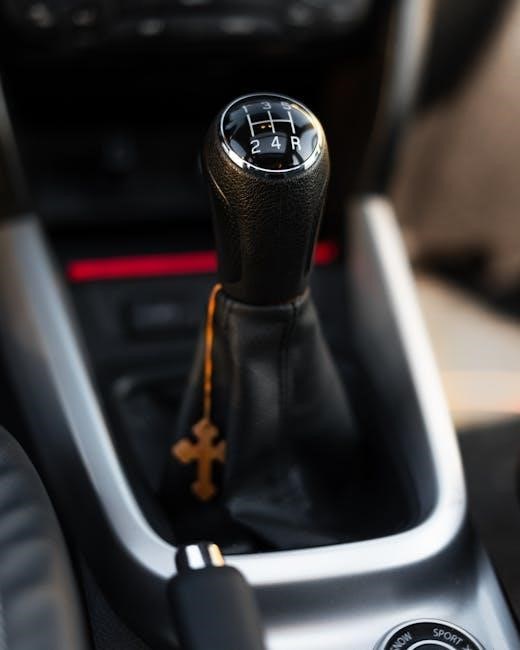
Essential tools include jacks, stands, wrenches, sockets, and a torque wrench. Specialized tools like a transmission jack and alignment tools are highly recommended for a successful swap.
Essential Tools for the Job
A comprehensive toolkit is paramount for a successful automatic-to-manual transmission swap. Beyond standard mechanics’ sets, several specialized tools become indispensable. A robust floor jack and accompanying jack stands are crucial for safely lifting and supporting the vehicle’s weight during the extensive undercarriage work.
Various wrench and socket sets, encompassing both metric and standard sizes, are necessary to tackle diverse fasteners. A torque wrench is vital for ensuring proper tightening specifications, preventing damage. Furthermore, penetrating oil will assist in loosening corroded bolts. A transmission jack is almost mandatory for safely lowering and positioning the new manual transmission.
Don’t forget alignment tools for the clutch disc and pilot bearing, ensuring smooth engagement. Diagnostic tools, even basic OBDII scanners, can aid in resolving any electronic hiccups post-swap.
Specialized Tools and Their Importance
Beyond basic mechanics’ sets, specific tools elevate swap success. A transmission jack is non-negotiable, safely lowering and positioning the manual gearbox – attempting this without is incredibly risky. Clutch alignment tools are vital; improper alignment causes premature wear and shifting issues. Flywheel holding tools secure the flywheel during clutch and pressure plate installation.
A pilot bearing puller extracts the old bearing without damaging the crankshaft. Brake line flaring tools are needed for adjustments, and potentially, custom line creation. Specialized wiring tools, like crimpers and a multimeter, are essential for ECU integration.
These aren’t optional extras; they ensure precision, prevent damage, and ultimately, a reliable, enjoyable driving experience. Investing in quality specialized tools is a worthwhile expenditure.

Timeframe for Completion
DIY swaps typically span weeks to months, dependent on skill and unforeseen issues. Professional mechanics can complete the conversion within a few days to a week;
DIY Conversion Timeline
Embarking on a DIY automatic-to-manual swap demands a realistic timeline, often extending several weeks to months. Initial planning and parts sourcing can consume a substantial period, potentially weeks alone, as availability fluctuates and careful selection is crucial.
The physical installation itself, assuming adequate mechanical aptitude, generally requires at least two to four weekends. Disassembly of the automatic transmission, installation of the manual, and associated components like the clutch and pedal assembly are time-intensive.
Wiring modifications and ECU considerations can add significant complexity, potentially requiring several days of troubleshooting. Finally, fluid filling, testing, and resolving any unforeseen issues contribute to the overall duration. Patience and meticulous attention to detail are paramount for a successful outcome.
Professional Mechanic Timeline
Entrusting a professional mechanic with an automatic-to-manual conversion generally shortens the timeframe, but costs increase accordingly. A skilled mechanic can typically complete the swap within one to two weeks, assuming parts are readily available and no major complications arise.
The initial assessment and parts ordering may take a few days, followed by approximately five to ten business days for the physical labor. Experienced mechanics possess the necessary tools and expertise to expedite the process, minimizing downtime.
However, unforeseen issues, such as drivetrain incompatibility or wiring challenges, can extend the timeline. Clear communication with the mechanic regarding potential delays and associated costs is essential for a smooth experience.
Potential Issues and Troubleshooting
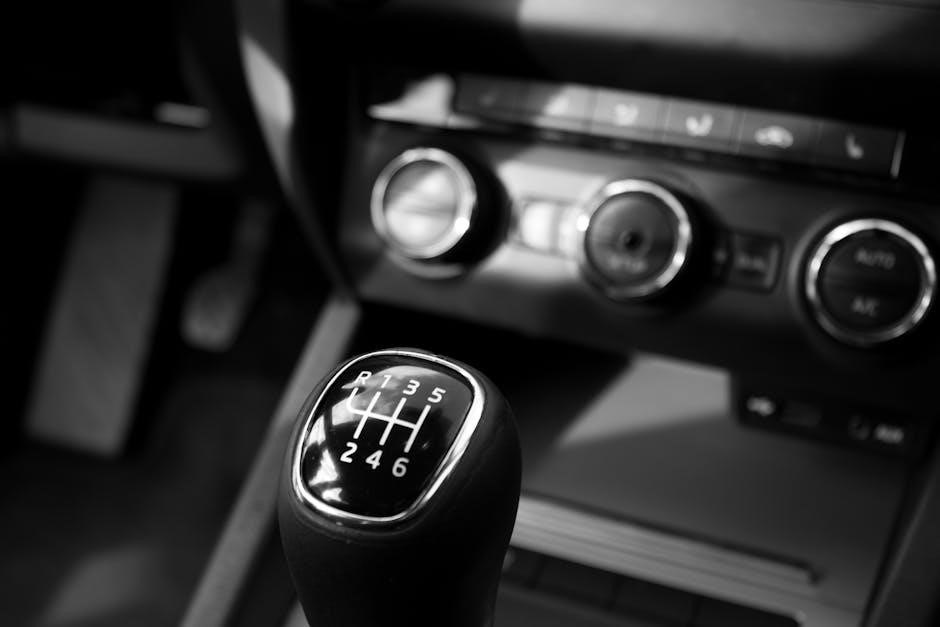
Common problems include clutch engagement issues, wiring conflicts, and difficulty finding compatible parts, requiring careful diagnosis and potentially specialized tools for resolution;
Common Problems Encountered During Swaps
Numerous challenges frequently arise during automatic-to-manual conversions. Clutch hydraulic system bleeding can prove exceptionally difficult, often requiring specialized tools and patience to eliminate air pockets. Wiring integration presents another hurdle, as the manual transmission requires different signals than the automatic, potentially necessitating ECU modifications or custom wiring harnesses.
Drivetrain incompatibility is a significant concern; ensuring the transmission, driveshaft, and differential are correctly matched is crucial. Floorboard modifications, while often anticipated, can sometimes reveal unforeseen structural issues. Furthermore, sourcing the correct pedal assembly and ensuring proper brake line routing can be surprisingly complex. Online forums highlight issues with speedometer recalibration and occasional transmission mounting problems, demanding meticulous attention to detail throughout the process.
Diagnosing and Resolving Issues
Effective troubleshooting demands a systematic approach. Clutch engagement problems often stem from improper bleeding or a faulty master/slave cylinder; thorough inspection and replacement are key. Wiring glitches require careful tracing with a multimeter, referencing wiring diagrams and online forums for solutions; Drivetrain vibrations usually indicate imbalance or misalignment, necessitating professional balancing or adjustments.
Speedometer inaccuracies can be resolved through ECU recalibration or the installation of a signal adapter. Transmission mounting issues often necessitate shimming or custom fabrication. Remember that network security limitations currently restrict access to detailed diagnostic guides, emphasizing the importance of community support and careful documentation throughout the swap process.
Long-Term Maintenance After the Swap
Regularly inspect the clutch for wear, change transmission fluid per manufacturer specs, and proactively address any unusual noises or vibrations to ensure longevity.
Clutch Maintenance and Replacement
Consistent clutch maintenance is paramount after a manual swap, directly impacting driving experience and transmission health. Regularly inspect the clutch disc for signs of wear, including fading, cracking, or glazing. Pay attention to clutch pedal feel; changes in engagement point or increased effort signal potential issues.
Fluid leaks around the master or slave cylinder necessitate immediate attention, as they compromise hydraulic clutch operation. Expect clutch replacement every 50,000 to 75,000 miles, depending on driving habits – aggressive driving drastically reduces lifespan.
When replacing, consider upgrading to a heavy-duty clutch if increased power or frequent towing is anticipated. Proper break-in procedures are crucial to maximize clutch life and prevent premature failure. Ignoring these steps can lead to costly repairs.
Transmission Fluid Changes
Regular transmission fluid changes are vital for a smoothly operating manual transmission post-conversion. Unlike automatics, manual transmissions require less frequent changes, typically every 30,000 to 60,000 miles, but neglecting this maintenance invites problems. Use the manufacturer’s recommended fluid type; incorrect fluid can damage synchronizers and bearings.
Monitor fluid condition – dark, gritty fluid indicates wear and contamination. A metallic sheen suggests internal component damage. The change process involves draining the old fluid, inspecting the drain plug for metal shavings, and refilling with the correct quantity.
Ensure proper sealing to prevent leaks. Consistent fluid maintenance extends transmission life and preserves shifting performance, safeguarding your investment after the swap.
Regular Inspections
Consistent inspections are crucial following an automatic-to-manual transmission swap, ensuring long-term reliability. Focus on the clutch system – check for pedal feel, engagement point, and any signs of slippage or unusual noises. Inspect the shift linkage for smooth, precise operation, addressing any looseness promptly.
Periodically examine the transmission housing for leaks, paying attention to seals and the fill/drain plugs. Verify proper operation of the speedometer and any related sensors.
Regularly inspect the driveshaft and U-joints for wear or damage. Proactive inspections identify minor issues before they escalate into costly repairs, preserving the benefits of your conversion.